.svg)
.svg)
The looming silver tsunami paints the picture of a water workforce in crisis. As long-tenured experts retire, they take valuable knowledge with them, drying up the talent pool.
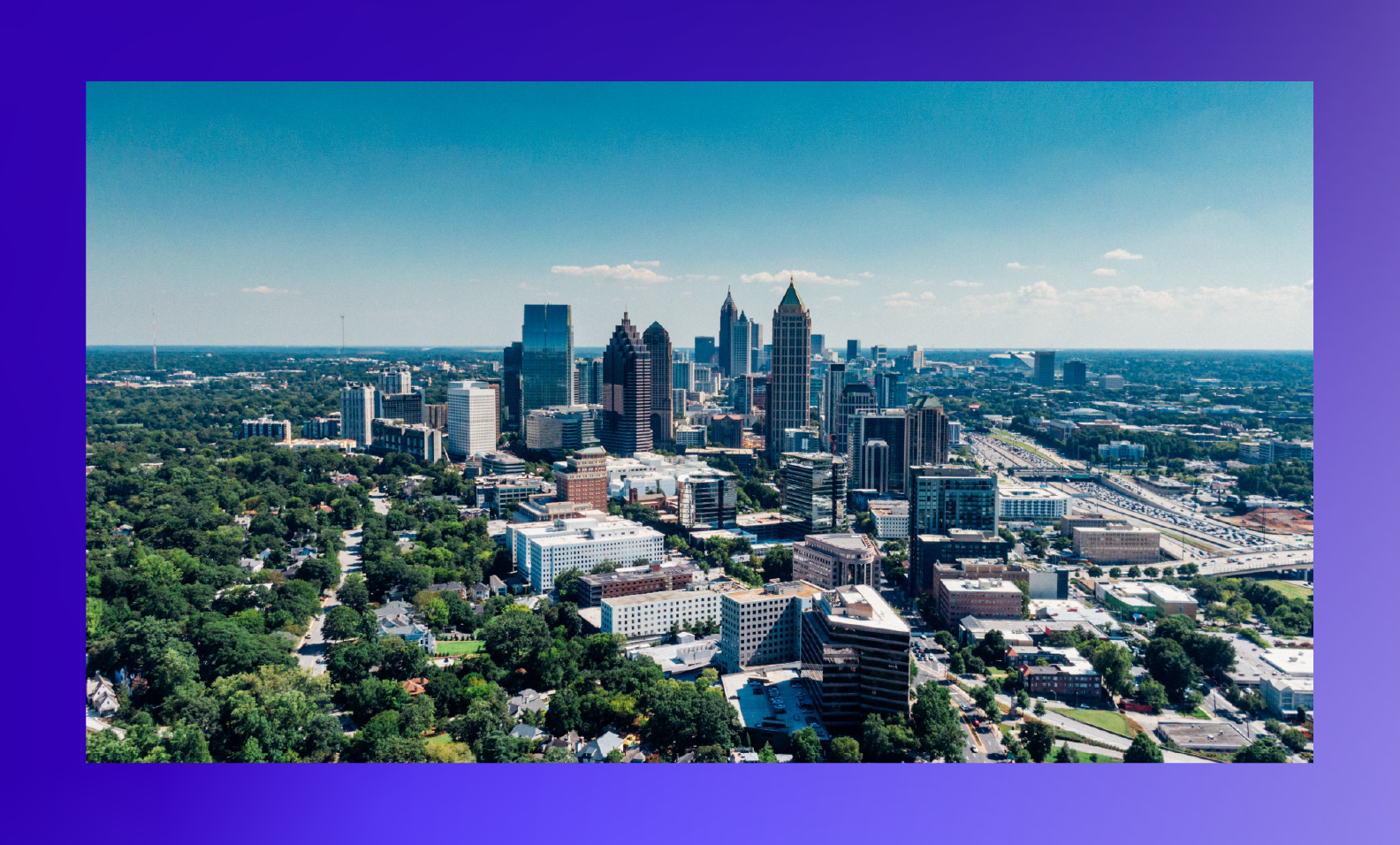
In Atlanta, for example, 1.2 million people each day depend on drinking water that runs through its 2 water treatment plants and its 2,790 miles of water mains. That’s a big responsibility considering that about 50% of the Department of Watershed Management’s workforce is due to retire in the next 5 to 10 years.
So rather than fight the current, Atlanta’s Department of Watershed Management saw this generational shift as an opportunity to retool its workforce and recruit a new generation of water experts.
We spoke with Wole Ralph, Director of Strategy and Operations at the City of Atlanta’s Department of Watershed Management, to learn about how the city is embracing innovative strategies to recruit and train the incoming generation.
Here are four important lessons for anyone who’s leading their utility through a generational transition:
1. Embrace technology to help upskill your team
There’s no doubt that digital adoption will mean some aspects of water work become obsolete. But in Atlanta, Wole says that rather than replacing jobs, technology has introduced opportunities to upskill and promote members of the team—like when the department transitioned from manual to automatic meter reading (AMR).
“Having somebody that was trained to read a meter who can now be trained to repair the meter, is a lift. It helped lift the income of the worker, helped lift the skillset of the worker.”
Gone are the days of going door-to-door with clipboards. These team members are now analyzing the data to spot anomalies and obtaining state licenses to open and repair the water meters.
Not only is Atlanta able to recover more revenue with more accurate meter readings, Wole says, this upskilling is a recipe for retention. These employees have a better grasp on the organization's infrastructure needs, and that helps round out their experience so they can build a fulfilling career at the utility.
Still, Wole acknowledges that change is painful, particularly as long-tenure employees may struggle to adjust to new ways of working. His advice to leaders? Bring a change management expert to the table.
2. Bake diversity, equity & inclusion into your organization’s DNA
This generation is seeking out employers that actively champion diversity, equity and inclusion.
“You have employees that want to work for utilities that are going to be in the fight, be engaged. It's no longer good enough to just not do bad things. You actually have to be doing good things,” says Wole.
For utilities, that responsibility is two-fold. First, it’s a duty to promote water equity in the community, and second, an impetus to build an inclusive workplace that reflects the community it serves.
Atlanta’s commitment to DEI comes to life in different programs:
Community-lead payment assistance
The Care & Conserve program is a payment assistance program that collects money from companies that use Atlanta’s water infrastructure for things like towers or signage and redistributes those funds to help low income individuals or people who are in financial distress.
A pathway to employment for offenders
Atlanta runs a unique program that allows offenders to develop career skills and secure full time employment as they exit the prison system.
Spearheaded by Mayor Keisha Lance Bottoms, the program has spurred opportunities for inmates to train with the Department of Watershed Management. Since it launched in 2018, 13 former inmates, each of them fathers, have now been hired as full-time employees in the Department.
3. Focus on the purpose and mission of water work
Public sector water jobs may not outcompete private-sector jobs on salary alone, but utilities have a leg up on something that’s even more important to this generation—and that’s purpose.
The DWM has developed a culture that recognizes the entrepreneurial drive of young talent.
Wole says that great leaders will focus on the big picture. Going back to the meter reading example, here's how that comes to life:
“You're not just bringing back a number on a dial. That meter reading is linked to the ability of the utility to be able to put out a bill. That bill is a link for the utility to generate revenue. That revenue is linked to the utility being able to fund its operations.”
When staff can see how their work relates to the organization’s broader operations, they will deliver even more value through their work.
4. Leverage the perspective of your younger staff
Embracing a younger workforce can give utilities a new perspective on what today’s customers want.
To that end, Atlanta runs internships to recruit from local colleges and universities.
“Their way of looking at the world has brought tremendous insight because they are the customer. They understand what their parents need. They are able to look at water with a fresh pair of eyes and the utility with a fresh pair of eyes. And so, they're able to bring that information back,” he says.
Meanwhile, the role offers those new grads critical opportunities for growth.
For anyone starting out in the industry, Wole offered a few career tips:
- Read the organization's strategic plan, and use it to understand how you can drive change.
- When you’re looking for mentors, start by asking questions. Be curious and select a mentor who can offer guidance that aligns with your interests.
- Work hard. There’s no replacement for putting in the effort.
Building Tomorrow’s Water Workforce Through Innovation & Technology
Today, the water industry isn’t just competing against private engineering firms and other public-sector entities: it is competing against private sector behemoths like the Googles and Amazons of the world.
Investing in innovative technologies and recruitment is the key to building a resilient workforce, and ensuring the future of the water services industry.




.svg)

%201%20(1).svg)